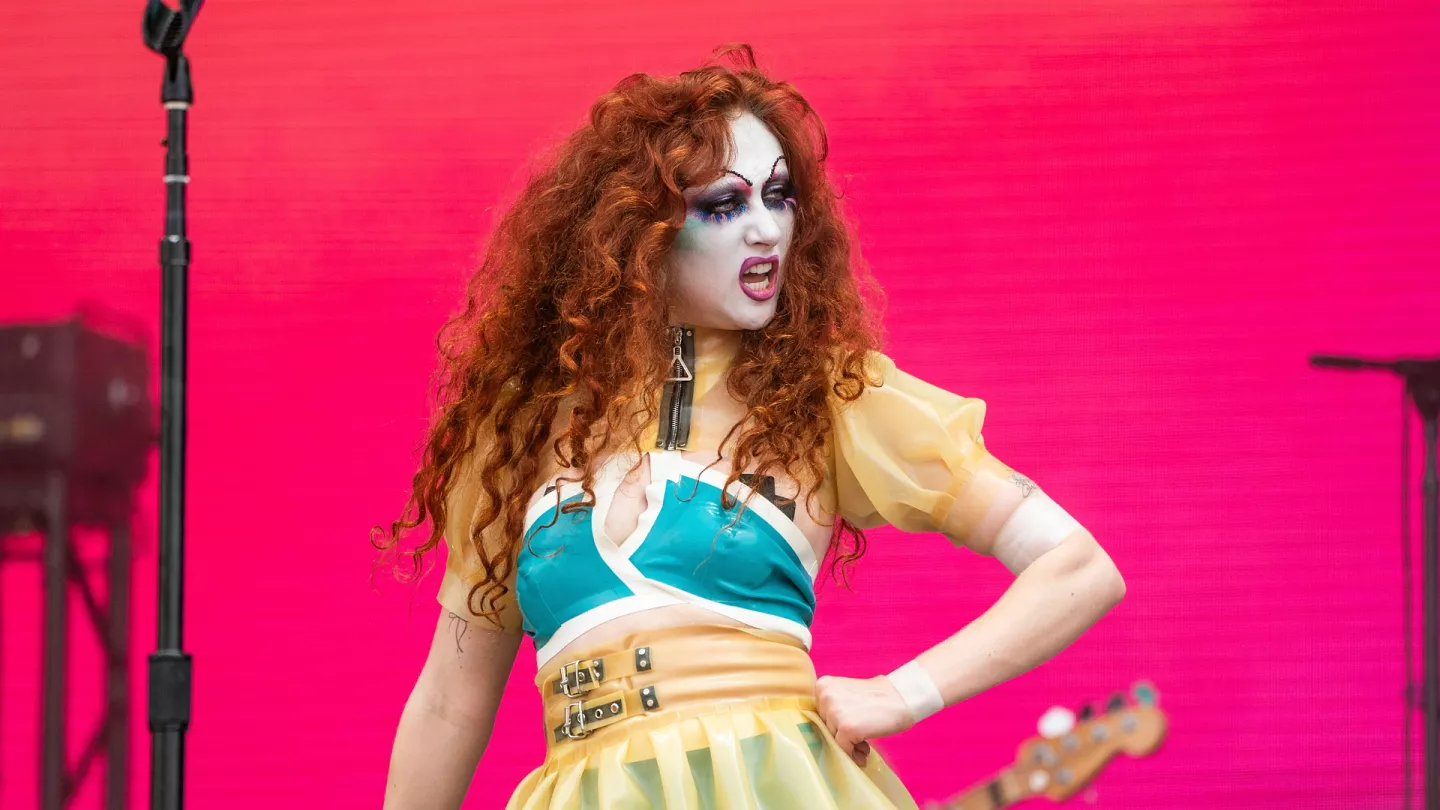
Emerging from the American Midwest with a voice that fuses theatrical drama, queer empowerment, and uncontainable pop energy, Chappell Roan is a music artist who has been hailed as one of the brightest rising stars in recent years. Her blend of glam-pop aesthetics, bold visual storytelling, and emotionally charged songwriting has propelled her into both critical and commercial view. With a debut album that captured the attention of fans and critics alike and a live performance style that evokes the grandeur of pop icons like Lady Gaga and David Bowie, Chappell Roan represents a new wave of authenticity, theatricality, and unapologetic queerness in modern pop music.
Often referred to both as a unique persona and the stage name of singer-songwriter Kayleigh Rose Amstutz, Chappell Roan blends layers of performance artistry and real-life experience. Speaking to themes of queer identity, heartbreak, liberation, and emotional truth, Roan crafts songs that reflect not just musical passion but cultural resonance. With a stage presence that includes elaborate costumes, queer camp aesthetics, and emotionally revealing ballads, she has become a touchstone for Gen Z and LGBTQ+ listeners looking for relatable yet larger-than-life artistry.
This article offers a deep, structured factual exploration of Chappell Roan as a musical entity and cultural figure. Covering her origin, profession, style, subtypes, associated genres, cultural context, and her evolving role within the industry, it illustrates how her creativity pushes against pop norms while helping to define new ones.
What is Chappell Roan: Core Definition and Meaning
Chappell Roan is the professional stage name of American singer-songwriter Kayleigh Rose Amstutz, born in 1998 in Willard, Missouri. The moniker ‘Chappell Roan’ is a tribute to her late grandfather, Dennis Chappell, and “Roan” is inspired by a type of wild horse, symbolising freedom and untameable identity – a theme consistent in her artistry.
She is popularly understood as:
- An art-pop and synthpop music artist
- A queer, theatrical performer
- A songwriter known for emotionally rich and self-revealing lyrics
- A pop culture figure emblematic of the Gen Z LGBTQ+ community
Her name is also used to describe a persona – a performance alter ego that allows the artist to tap into heightened expressions of identity, style, and theatricality. This dual existence as both a real-world artist and a pop persona draws comparisons to the likes of Lady Gaga, David Bowie, and more recently, Rina Sawayama. For further reading on influential queer pop artists, consider exploring our article on Andrew Watt: A Pioneering Force in Modern Music Production, where we discuss the intersection of pop and queerness.
Synonyms and Cultural Parallels
While there are no direct synonyms to a personal stage name, terms such as “pop alter ego”, “drag-adjacent pop star”, and “theatrical indie-pop artist” have been used linguistically and journalistically to describe her act. In essence, Chappell Roan occupies a space between pop diva, queer icon, and indie music’s underground darling.
Primary Entity Types
Chappell Roan can be categorised into the following primary entity types:
- Person: She is an individual artist with a specific backstory, personal trajectory, and cultural identity.
- Music Artist/Singer-Songwriter: As a professional performer and lyricist, her primary occupation exists within the music industry.
- Public Persona: Chappell Roan is also a brand and stylised figure that exists across music videos, live performances, and social media.
These types are interlinked, with her artistic identity relying heavily on the interplay of vulnerability, performance, and real-life experiences.
Subtypes and Artistic Specialisations
As a musical act, Chappell Roan fits into several sub-genres and stylistic categories based on her sound, style, and themes. These subtypes speak to not only the musical classification but the artistic variation within her work.
Pop Subtypes and Artistic Categories:
- Synth-pop and Electro-pop: Her music often features synth-heavy production, melding 1980s revival elements with modern pop.
- Queer Pop / Queer Art Pop: LGBTQ+ themes are central to her lyrics and visuals.
- Ballads and Emotional Storytelling: Tracks like Casual and Picture You deal with romantic longing and emotional confusion.
- Performance Art Pop / Drag-Influenced Pop: Her visuals and stage presence borrow heavily from drag aesthetics and queer nightlife.
- Theatrical/Baroque Pop Aesthetics: Use of elaborate costumes, grand metaphors, and stylised visuals.
Each subtype captures a different facet of her work – from minimalist heartbreak ballads to maximalist queer performance.
Attributes and Characteristics
Chappell Roan is characterised by several distinctive musical, visual, and cultural traits. Below is a breakdown of her defining artistic and personal characteristics.
Key Attributes:
- Vocal Range: Mezzo-soprano with expressive, tremulous vibrato.
- Lyrics: Deeply personal, queer-centered, often confessional.
- Visual Identity: Rhinestones, high glam, camp femininity, retro Americana, dramatic costumes.
- Performance Style: Multisensory performances blending singing, costume changes, dance, and themed sets (e.g., prom night, horror themes).
- Creative Roles: Songwriter, performer, stylistic director (in collaboration with stylists and creative directors).
- Instrument Use: Primarily vocal-driven songs with MIDI synths, drum machines, and occasional piano accompaniment.
Her art is defined by contrast: exuberant sounds paired with melancholic themes, and extravagant visuals offset against vulnerable lyrics. This juxtaposition heightens the emotional impact and theatricality.
Related and Dependent Entities
Chappell Roan’s work thrives within a network of interconnected genres, identities, and platforms. Her career and aesthetic are shaped by several external factors and supporting structures.
Related Entities:
- Genres: Synth-pop, glam rock, art pop, electro-pop, camp pop, indie pop.
- Platforms: Spotify, Apple Music, TikTok (major track virality), YouTube (visual identity and music videos), Instagram.
- Collaborators: Notably produced and mentored by Dan Nigro, known for work with Olivia Rodrigo.
- Influences: Kate Bush, Prince, David Bowie, Lady Gaga, Britney Spears, drag culture, queer icons.
- Performance Venues: Queer spaces, independent music festivals, late-night shows, Vogue Ball-themed venues.
- Fan Communities: LGBTQ+ youth, alternative pop listeners, fans of queer performance art.
TikTok performance and user-generated content have inflated her exposure dramatically, with songs used in transformations, queer empowerment narratives, and LGBTQ+ aesthetics. For insights into how platforms like TikTok influence music careers, check out our guide on Understanding the Role and Impact of the Massive Concert Venue in Live Music.
Contextual Dimensions: Geography, Culture, and Industry
While Chappell Roan is a U.S.-based artist, the dimensions of her music translate across cultural and geographic boundaries, aligning with a universal shift in pop music towards acceptance, diversity, and theatrical authenticity.
Her visual influences riff off Americana – proms, diners, cowgirls – but twist them through a queer lens. This dual contextuality makes her familiar yet subversive, appealing to both mainstream and underground audiences.
Her place in the UK music landscape is also taking root. With performances at venues like Heaven in London and growing BBC Radio 1 support, her style taps into themes appreciated by the British public: high camp, gender play, and lyrical irony. To explore more about London shows and events that may include artists like her, visit our London Shows & Events section.
Cultural Contexts:
- LGBTQ+ visibility in pop music
- Rise of Gen Z identity politics
- Reassessment of pop music as an “artform”
- Gender performance and non-normative expression
- Post-COVID digital music economy (e.g. TikTok virality over traditional radio play)
Status and Lifecycle Stage
Chappell Roan currently occupies what could be described as an emerging professional and breakout artist status. After several years of development, niche cult following, and an earlier dropped record deal, she found critical acclaim and a growing fan base with her debut album The Rise and Fall of a Midwest Princess, released in 2023.
Lifecycle Stages to Date:
- Early Development (2017 – 2020): Debut EP “School Nights”, signed to Atlantic; early single “Good Hurt”.
- Transitional Period (2020 – 2022): Dropped by Atlantic; independent releases with growing cult following.
- Breakout (2023): Viral hit singles like Red Wine Supernova and Casual; recognised by Rolling Stone and NPR.
- Current Phase (2024 – 2026): Major list inclusion (e.g. NPR Best Albums), first headliner tour, U.K. and U.S. expansion.
Practical Use Cases and Real-World Applications
Though largely an entertainment figure, Chappell Roan’s persona and work intersect with several real-world domains. Her music and image have practical applications in:
- Live Entertainment: Ticketed shows, LGBTQ+ festivals, pride events.
- Digital Content: TikTok audio trends, visual memes, fan art.
- Fashion and Costume Design Inspiration: Particularly for drag performers, stylists, and makeup artists.
- Queer Advocacy: Public statements and lyrics support LGBTQ+ rights and gender-diverse representation.
- Academic Analysis: Gender studies, media studies, and queer theory courses often include her in syllabi examining post-gender celebrity culture.
Her combination of storytelling and socio-political visibility makes her useful in both creative industries and cultural academics.
Risks, Limitations, and Common Misconceptions
As with countless artists who challenge boundaries, Roan’s artistry is sometimes misunderstood or simplified.
Common misconceptions include:
- “She’s just a TikTok artist”: While her music gained traction on TikTok, her depth, live performance ability, and songwriting set her apart from ephemeral virality.
- “Her act is only about queerness”: While queer identity is central, her themes also grapple with heartbreak, self-esteem, and existential reflection.
- “Gimmicky visuals mean lack of substance”: On the contrary, maximalist visuals add symbolic richness, juxtaposing pain beneath colour and camp.
- “She is an overnight success”: Roan spent years in development, overcame label rejection, and built grassroots audiences before recognition.
Additionally, her boundary-pushing outfits and themes may be misread or sensationalised by conservative platforms, especially outside progressive cultural hubs.
Closely Related Concepts and Entity Boundaries
Several overlapping identities and comparisons often emerge around Chappell Roan, but they need clear delineation.
Related but Different:
- Lady Gaga: Both are theatrical pop performers and queer allies, but Gaga’s fame is global juggernaut-tier; Roan is still in breakout phase with more underground flavour.
- Troye Sivan or MUNA: While similarly queer and pop-leaning, Roan’s aesthetic veers more toward camp, drag, and musical theatre.
- Drag Artists: Unlike RuPaul’s Drag Race alumni, Roan is cisgender and performs as a heightened feminine persona rather than a drag queen.
She stands uniquely at the intersection of indie credibility, queer theatre, and mainstream-accessible pop.
| Aspect | Details |
|---|---|
| Real Name | Kayleigh Rose Amstutz |
| Stage Name Meaning | “Chappell” (grandfather’s name), “Roan” (wild horse shading) |
| Genres | Synth-pop, queer pop, theatrical pop, balladry, glamour pop |
| Main Themes | Queer identity, heartbreak, empowerment, longing |
| Breakthrough Album | The Rise and Fall of a Midwest Princess (2023) |
| Vocals | Mezzo-soprano, theatrical, emotional delivery |
| Core Audience | LGBTQ+ youth, indie-pop listeners, TikTok users, feminists |
The richness of Chappell Roan as both a performer and artistic figure lies in her multi-dimensional presence – she is not just a pop artist, but a modern protean character wrestling with identity, emotion, and societal norms.
For cultural creatives, LGBTQ+ advocates, and pop fans alike, she offers a refreshing, emotionally accessible alternative to factory-moulded celebrity. Her stage name might connote something vintage and wild, but her influence is thoroughly contemporary – signalling a future where authenticity, artistry, and identity-driven content dominate the mainstream.
Amidst an oversaturated pop music marketplace, Chappell Roan strikes a balance between viral catchiness and grounded honesty. UK listeners and critics, already intrigued by new queer icons in music, are likely to continue embracing her. As she navigates new stages, both literal and metaphorical, she invites us along – rhinestones, heartbreak, empowerment anthems and all.
About The Author