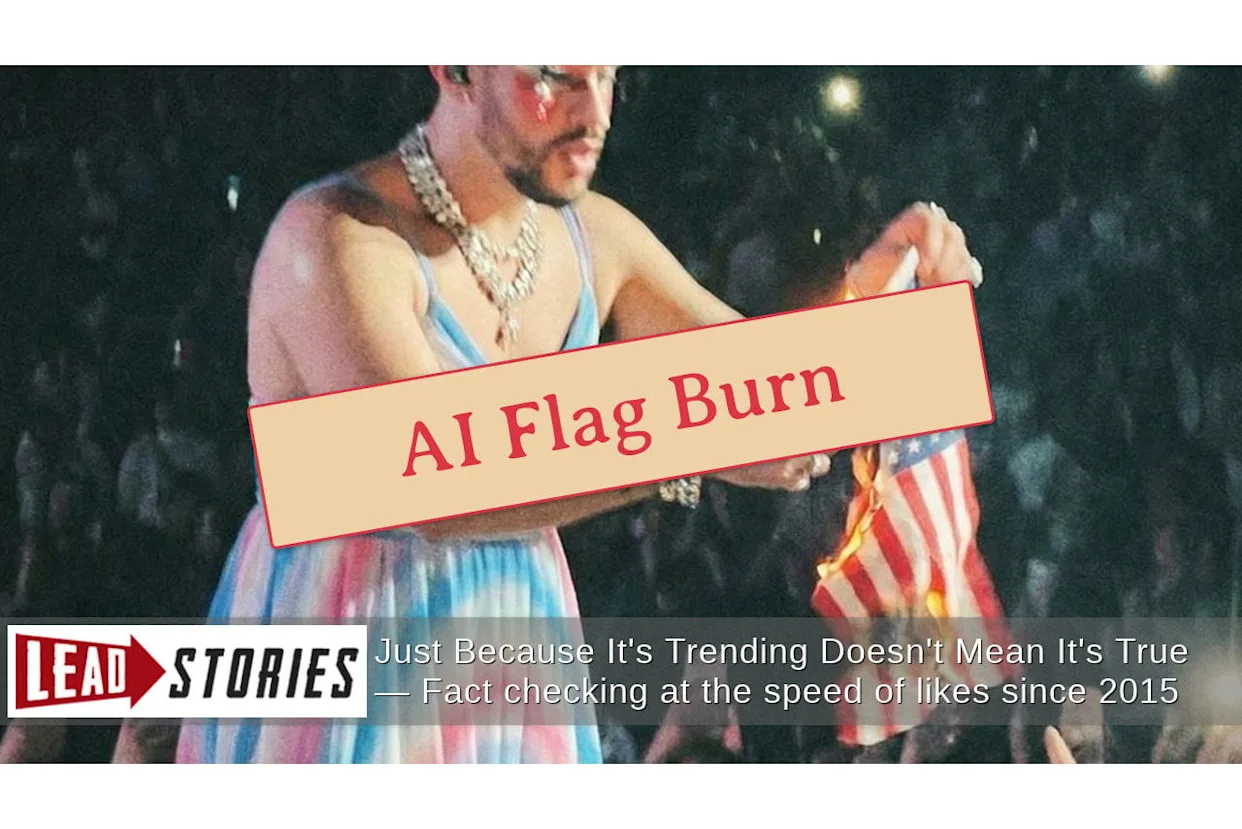
On a night in September 2022, during a concert performance in Los Angeles, the Puerto Rican musician Bad Bunny ignited controversy when he appeared to burn a representation of the American flag. This incident triggered widespread dialogue that encompassed fan reactions, cultural implications, and discussions around flag desecration laws in the United States.
What Is Flag Desecration?
Flag desecration is a term used to describe the act of intentionally damaging or disrespecting a flag, often in a public or performance context. In many countries, flags represent national identities and values, making their desecration a sensitive issue. In the United States, the act has stirred debates regarding free speech versus respect for national symbols. This tension mostly stems from the First Amendment, which guarantees freedom of expression. However, flag desecration also raises ethical questions about patriotism and respect for one’s country, which can differ widely based on individual beliefs and cultural contexts.
The Mechanics of the Incident
During Bad Bunny’s performance, video footage captured moments when he appeared to set fire to a flag-like object on stage. This sparked immediate outrage and support in equal measure, revealing the polarising nature of such an act.
From a cultural perspective, Bad Bunny’s actions can be interpreted in various ways:
- Artistic Expression: Many fans argue that this event was a form of artistic freedom, illustrating the struggles and frustrations that come with identity and nationality.
- Political Statement: Some interpret the act as a comment on the treatment of Puerto Rico, a territory that is often overshadowed by mainland America’s political decisions. For more insights on cultural identity, check our post on Harley Fan Zone | Music Hub, Artists & Upcoming Concerts.
- Cultural Identity: Bad Bunny is vocal about his pride in Puerto Rican culture. Through his performance, he may have aimed to draw attention to issues beyond mere theatrics.
Flag Desecration Laws in the United States
The legal ramifications of flag desecration vary significantly. While many Americans may feel a profound sense of injury at such acts, flag burning is generally protected under the First Amendment as a form of free speech. The following table outlines relevant laws and constitutional perspectives:
| Country | Flag Desecration Laws |
|---|---|
| United States | Protected under the First Amendment (Texas v. Johnson, 1989). |
| United Kingdom | Legally not defined as a crime, but may breach public order laws depending on the context. |
| Australia | Legal if done as a protest, although it may provoke backlash. |
In the United States, the Supreme Court ruling in Texas v. Johnson (1989) established that the desecration of the American flag is protected as free speech, underpinning the controversial nature of Bad Bunny’s actions as a form of self-expression, even if it is deeply offensive to some.
Warnings and Signs Surrounding Flag Desecration
Performing acts such as flag burning can trigger various interpretations. It is essential to consider the surrounding context, particularly audience reception and media portrayal. Here are some warnings and signs to be aware of in similar situations:
- Public Backlash: Artists who engage in provocative actions may find themselves at the receiving end of disappointment from sections of fans.
- Cultural Misunderstanding: What may be seen as a legitimate form of protest or expression can be misinterpreted across different cultures and demographics. For a deeper dive into understanding audience reactions, see our post on Eminem: A Comprehensive Overview of the Rap Icon.
- Legal Repercussions: While the act is often protected under free speech laws in many countries, consequences may arise in response to public sentiment.
Effective Audience Engagement
Who is affected by acts of flag desecration? The demographic breakdown can be varied, but generally includes:
- Cultural Activists: Many who resonate with political statements made in the context of flag burning view such actions through a lens of empowerment.
- Conservative Audience Members: Individuals who believe in flag sanctity often view flag desecration as an affront to national honor and values.
- Musical Fans: The primary audience of the artist has a significant role in how such acts are interpreted. Fans may defend or criticize, shaping public opinion.
Understanding the audience is essential for artists like Bad Bunny as they navigate complex cultural landscapes.
Recommendations on How to Proceed
For artists, demonstrators, or individuals seeking to express political messages through controversial means, consider the following recommendations:
- Cultural Sensitivity: Understanding the demographics and cultural sentiments surrounding an issue will provide clarity on how actions will be received.
- Clear Messaging: If flag desecration is employed as a statement, it is vital to ensure that the message is clear to the audience. Ambiguity can lead to unrest and misinterpretation.
- Engage in Dialogue: Open discussions can help demystify intents behind provocative actions. Community engagement can lead to broader understanding.
Artistic expression carries the power to invoke strong emotions and reactions. However, it is paramount to approach such expressions with thoughtful consideration of the potential consequences.
The discourse surrounding Bad Bunny’s actions serves as a sample of how art intersects with societal values. Whether viewed as an expression of identity or as an affront to national integrity, the repercussions stretch beyond mere performance, weaving into the fabric of public discourse.
The dialogue surrounding such incidents can have significant implications beyond the immediate context. The artistic community must continually evaluate the responsibilities that come along with freedom of expression. Musicians and performers will always have a unique vantage point from which to engage with societal issues, but there lies a fine line between art and offense.
Engagement with the public and awareness of context can lead to more fruitful discussions about cultural identity, artistic freedom, and respect for national symbols.
With the increasing cross-cultural exchange facilitated by social media and global performances, artists have both as an advantage and a burden. They possess a platform through which they can enact change or provoke dialogue, yet they must also be mindful of the broader implications of their actions.
As this incident illustrates, moments like those witnessed at Bad Bunny’s concert highlight not only the complexities surrounding matters of national pride but also the fluidity of cultural identity in a globalised world. Conversations surrounding these events matter, not just for their immediate shock value, but also for the thoughtful discussions they inspire in varied communities.
Establishing a foundational understanding of the law concerning flag desecration, the importance of cultural context, and the need for dialogue can help navigate the often tumultuous waters surrounding artistic expression. Wherever one stands on such an act, it is clear that the discussions they inspire are worthy of thorough engagement.
Through examining scenarios such as this, we become reflective of the world we inhabit and the diverse narratives that coalesce within it. Understanding differing cultural experiences serves to enrich the dialogue, providing a platform to create meaningful change through art, discussion, and engagement.
With space for further exploration, insights into the political ramifications, audience reactions, and cultural implications can foster greater understanding of how much potency lies within performance art, and how they can shape public sentiment in unprecedented ways.
About The Author


