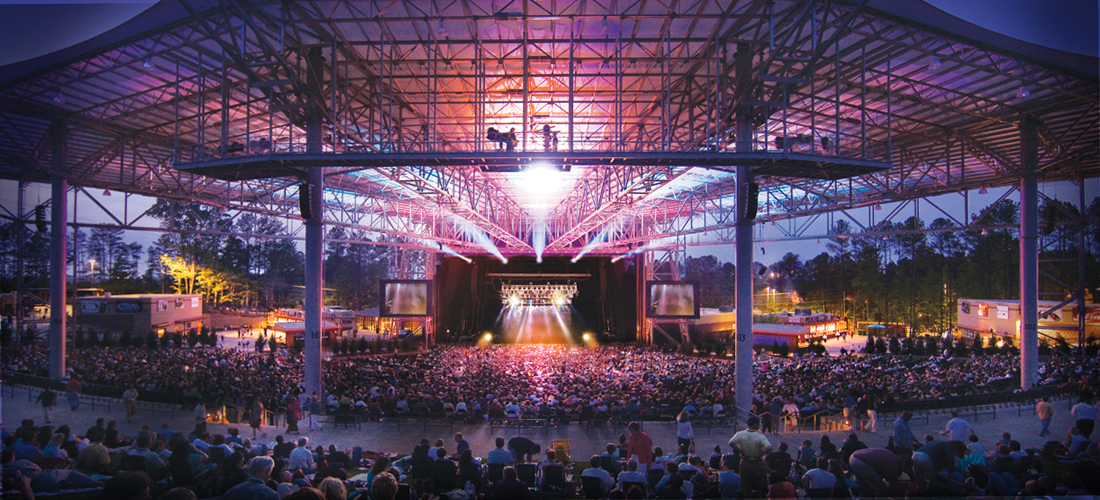
The landscape of live music has seen significant transformations over the past few decades, with massive concert venues playing a pivotal role in shaping the experience of both artists and audiences. These venues are designed to accommodate thousands of concert-goers, showcasing high-profile acts and providing a vibrant atmosphere that fuels the magic of live performances. With an array of facilities, these venues serve not just as stages but as comprehensive entertainment environments that enhance the overall concert experience.
Massive concert venues are defined as large-scale facilities that host musical performances, typically featuring a significant capacity, advanced sound and light systems, and an array of concessions and amenities. Unlike smaller venues, these large spaces can accommodate extensive crowds, offering a unique opportunity for fans to engage with their favorite artists on a grand scale. Most of these venues are designed with acoustics and audience sightlines in mind, ensuring that everyone can enjoy the performance, regardless of where they are seated.
One notable example of such a venue is White Oak Music Hall, located in Houston, Texas. On February 18, 2026, Peter McPoland, alongside DUG, will be performing at the Downstairs section of this venue from 7:00 to 9:00 PM. Events like these showcase not just the talents of the artists, but also the capabilities of the venue itself. With state-of-the-art sound design and an atmosphere that encourages audience interaction, White Oak Music Hall exemplifies the qualities that define a successful massive concert venue. For insights into similar events, check out our article on BLOK3 Live in London at The O2 2026 – What to Expect, How to Prepare, and Why This Groundbreaking Show Matters.
As the music industry continues to evolve, the mechanics of how massive concert venues operate have also adapted. The booking process for these venues typically involves route planning and scheduling that accommodate tours from various artists. Promoters and venue managers work together to create a calendar that maximizes attendance and revenue, often taking into consideration local events that may affect audience turnout.
The acoustics of a venue are a vital aspect of its design, demanding precision in terms of sound distribution, reverberation, and sound isolation. The involvement of acousticians during the design phase ensures that every seat offers an optimal listening experience, adhering to industry standards that enhance the clarity and richness of live music.
Warnings and signs of poor venue management can be observed in a variety of ways. Attendees may experience excessive noise levels, poor sight lines, or inadequate emergency procedures, which detract from the experience. Additionally, venues that fail to comply with safety regulations may not only pose risks to audience members but could also face legal ramifications that impact their ability to operate. Understanding these potential pitfalls can inform both patrons and venue operators on the importance of prioritizing safety and quality in the concert experience.
The audience affected by massive concert venues spans diverse demographics, including younger fans eager to experience the thrill of live music, families seeking a shared experience, and dedicated concert-goers who enjoy the en masse atmosphere. Each segment of this audience has different expectations and preferences, which is essential for venues to consider when planning events. Factors such as ticket pricing, accessibility options, and the range of available amenities can significantly influence how different groups perceive their concert experience.
For those looking to engage with a massive concert venue, several recommendations come into play. First, it is advisable to research upcoming events, not only to secure tickets early but to align concert selections with personal interests. For Peter McPoland’s show at White Oak Music Hall, purchasing tickets well in advance can ensure a better seat selection and potentially lower prices. It is also beneficial to familiarize oneself with the venue’s layout, understanding where different amenities are located, such as restrooms, food vendors, and emergency exits. Explore more about other venues through our Chicago Shows & Events | Harley Fan Zone.
Many concert-goers find themselves overwhelmed by the scale of large venues, which can lead to distractions from the performance itself. Therefore, managing expectations is key—this includes understanding that massive crowds may lead to longer wait times, both for entry and for concessions. Being prepared can enhance the overall experience, allowing attendees to focus on the performance rather than associated inconveniences.
Performing artists also benefit from the environment of massive concert venues. These spaces provide a platform for reaching wider audiences, generating considerable ticket sales, and often leading to increased visibility in the industry. Artists like Peter McPoland take advantage of venues like White Oak Music Hall to propel their careers to new heights. Engaging an audience in a setting that promotes intimacy, despite its size, can result in memorable performances that connect fans with the artists on a deeper level.
As the concert landscape continues to evolve, future trends include increasing attention to environmental sustainability. Many massive concert venues are exploring greener practices, such as reducing waste through recycling programs or utilizing renewable energy sources to power their facilities. Policies may also be implemented to encourage more responsible behavior among concert-goers, promoting pain-free experiences in terms of both enjoyment and environmental impact.
Consideration of regulations surrounding concert venues is crucial in ensuring a safe and pleasurable experience for attendees. Organizations like the Health and Safety Executive (HSE) in the UK are responsible for overseeing standards that apply to public events, and proper licensing is vital to maintaining compliance. Venues must adhere to regulations regarding crowd control, emergency response plans, and compliance with noise ordinances to ensure they operate safely and legally.
The operation of a massive concert venue requires intricate coordination among various stakeholders, including artists, promoters, venue management, and local authorities. Successful venues often host a multitude of events beyond concerts, such as corporate functions, festivals, and community gatherings, thereby diversifying revenue streams and enhancing community engagement. Collaborative efforts among all parties can lead to successful events that not only support the music industry but also involve the local economy.
Providing a seamless and enjoyable experience for attendees is crucial for the success of any massive concert venue. Ensuring that there is adequate staffing can assist with crowd control, ticketing, and managing guest relations, thus improving overall satisfaction. Well-trained staff can handle emergencies effectively, which can make a significant difference in an emergency situation.
Investing in technology further enhances the experience at massive concert venues. Improved sound and visual technology ensure high-quality experiences for attendees, while mobile ticketing options streamline entry processes. The evolution of augmented reality and interactive displays can also provide new avenues for audience engagement, transforming concerts into multi-sensory experiences.
In evaluating the significance of massive concert venues, it is clear that they play an indispensable role in the music industry, serving both artists and audiences. With correct operational expectations and an emphasis on safety, these spaces can produce memorable experiences that resonate long after the last note fades. Engaging with such venues while remaining informed and prepared can enhance the overall enjoyment, contributing to the vibrant tapestry of live music and enhancing community and cultural engagement.
As the landscape of live music unfolds, remaining adaptable to trends while maintaining steadfast commitments to safety and audience experience will serve both venues and attendees well. Participation in events like the forthcoming performance of Peter McPoland at White Oak Music Hall highlights the dynamic connection between artists and audiences, affirming the lasting relevance of massive concert venues in bringing people together through the power of music.
| Event | Date | Time | Venue | Artists |
|---|---|---|---|---|
| Peter McPoland with DUG | February 18, 2026 | 7:00 PM – 9:00 PM | White Oak Music Hall – Downstairs | Peter McPoland, DUG |
Understanding the dynamics and mechanics of massive concert venues provides insights into their potential and challenges. With their ability to attract diverse audiences, these venues are a vital part of the cultural fabric of many regions, fostering connections through music while adapting to the ever-evolving landscape of entertainment.
About The Author


